
Our story
One pearl is nothing much. Three thousand make a name.
How it began
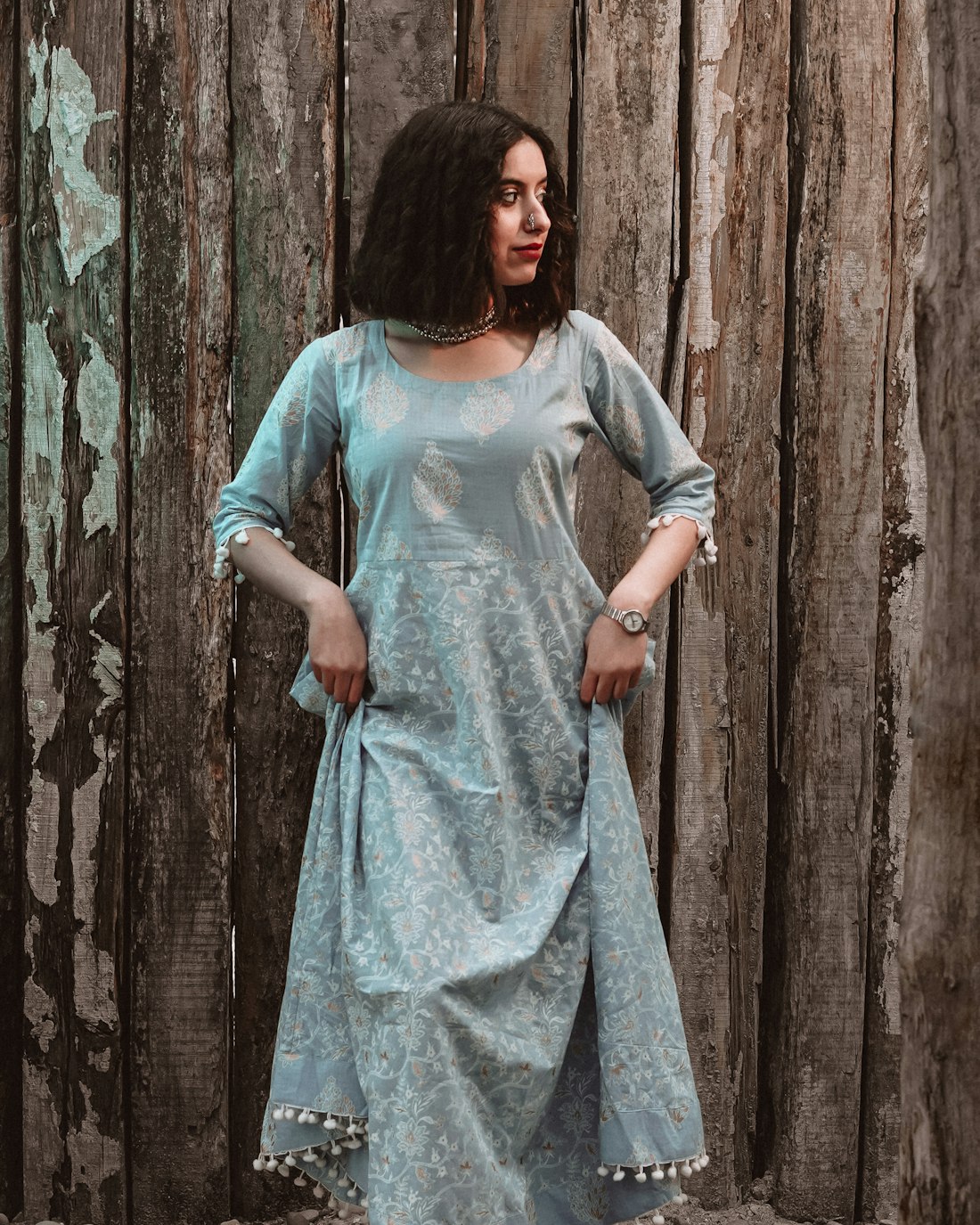
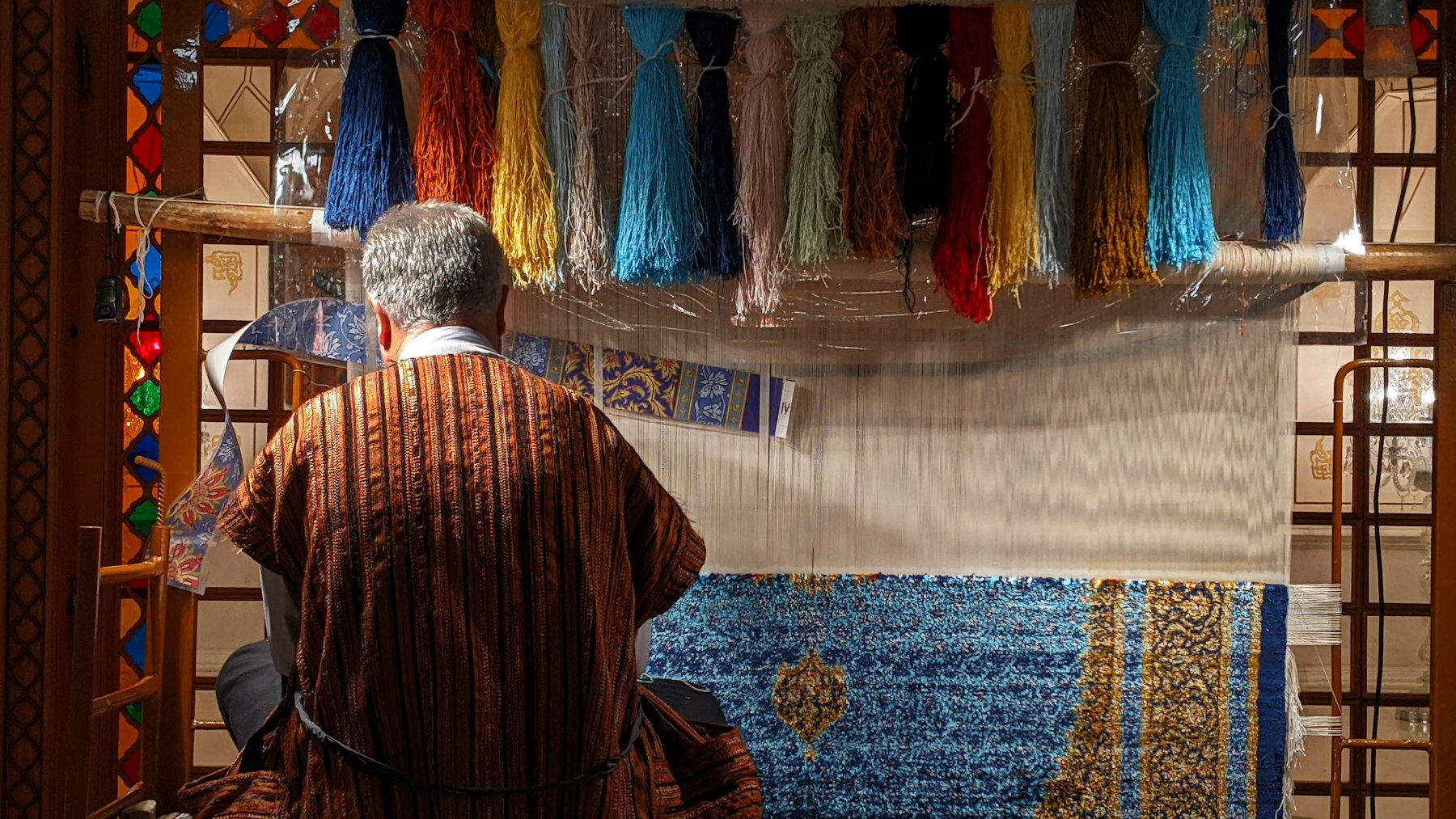
Sneha started with one warp and one question: what would it take to sell a kurta and be able to say exactly who made it?
The answer turned out to be inconvenient. It meant buying whole warps rather than metres, which ties up money for months. It meant a unit of four people in Secunderabad rather than a factory. It meant runs of forty, because forty is what a pit loom holds, and it meant telling people that a piece had sold out rather than quietly weaving more.
Five years on, the answer has not changed. The label on every piece carries the loom and the finisher. The website tells you the town the cloth came from before it tells you the price. When something is late we tell you why, in a sentence, rather than sending a tracking link and hoping.
We are not the cheapest way to buy a kurta and we have never tried to be. We are trying to be the clearest.
What we hold to
Four things, in order
01
Name the maker
Every label carries two names: the loom that wove the cloth and the person who finished the piece. If we cannot name them, we do not sell it.
02
Name the cloth and the town
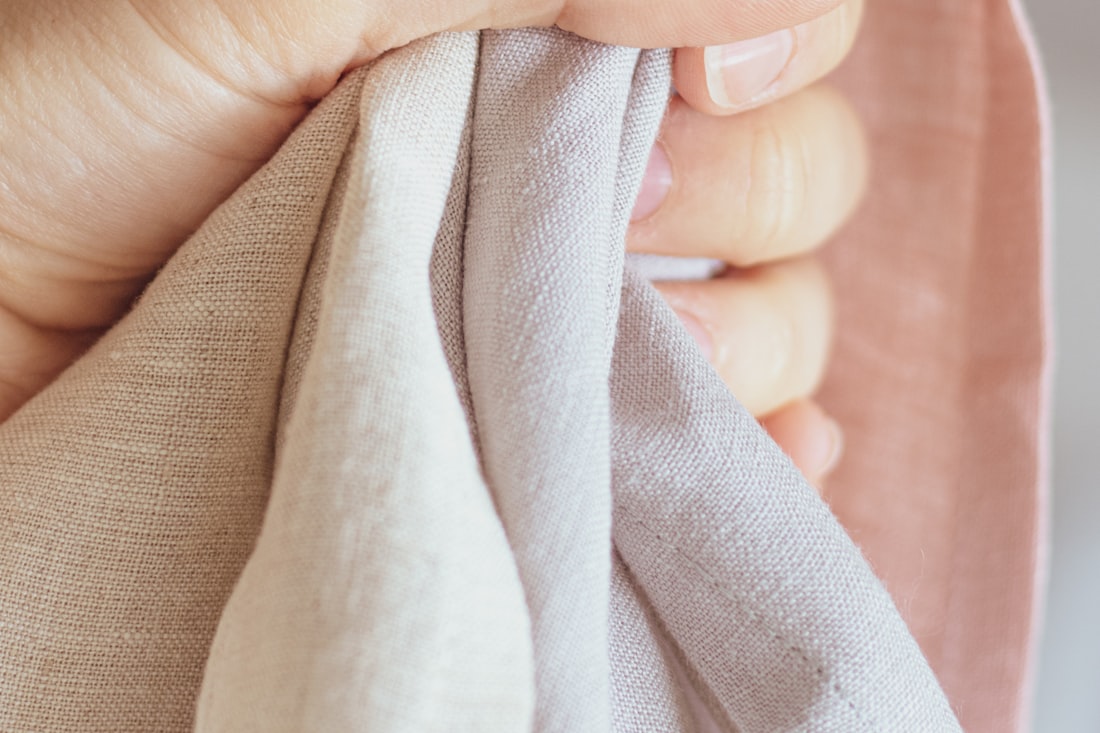
Chanderi from Maheshwar. Kota doria from Kota. Mulmul from Bhuj. Not "premium blend", not "artisanal weave" — the actual cloth and the actual place.
03
Stop at forty
A run is the length of warp a loom can hold. When it is finished, it is finished. We do not reprint, and we do not restock quietly under a new name.
04
One price, once
The price is worked out from what the cloth and the making cost. Discounting it later would mean the first price was wrong, so we never do.
Who made it
Four hands, nine weeks
A run begins as a conversation with a loom about how much cloth we can commit to. It ends nine weeks later with a person deciding a hem is finished. Between those two moments there is no machine that could do it faster and no shortcut we are willing to take.
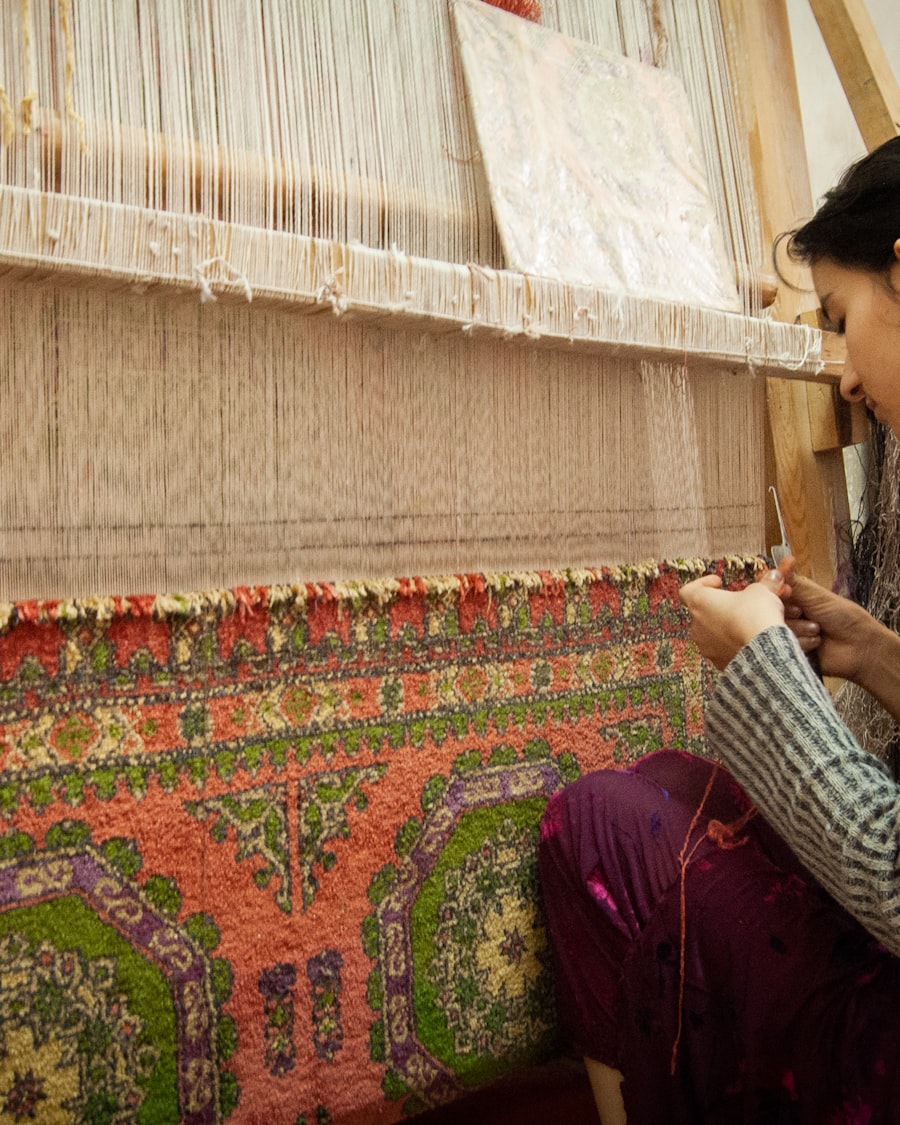
Cutting and finishing · Secunderabad
Kavitha
Every hem in every run has been finished by Kavitha. She decides when a piece is ready, and we have never overruled her.
With us since 2021
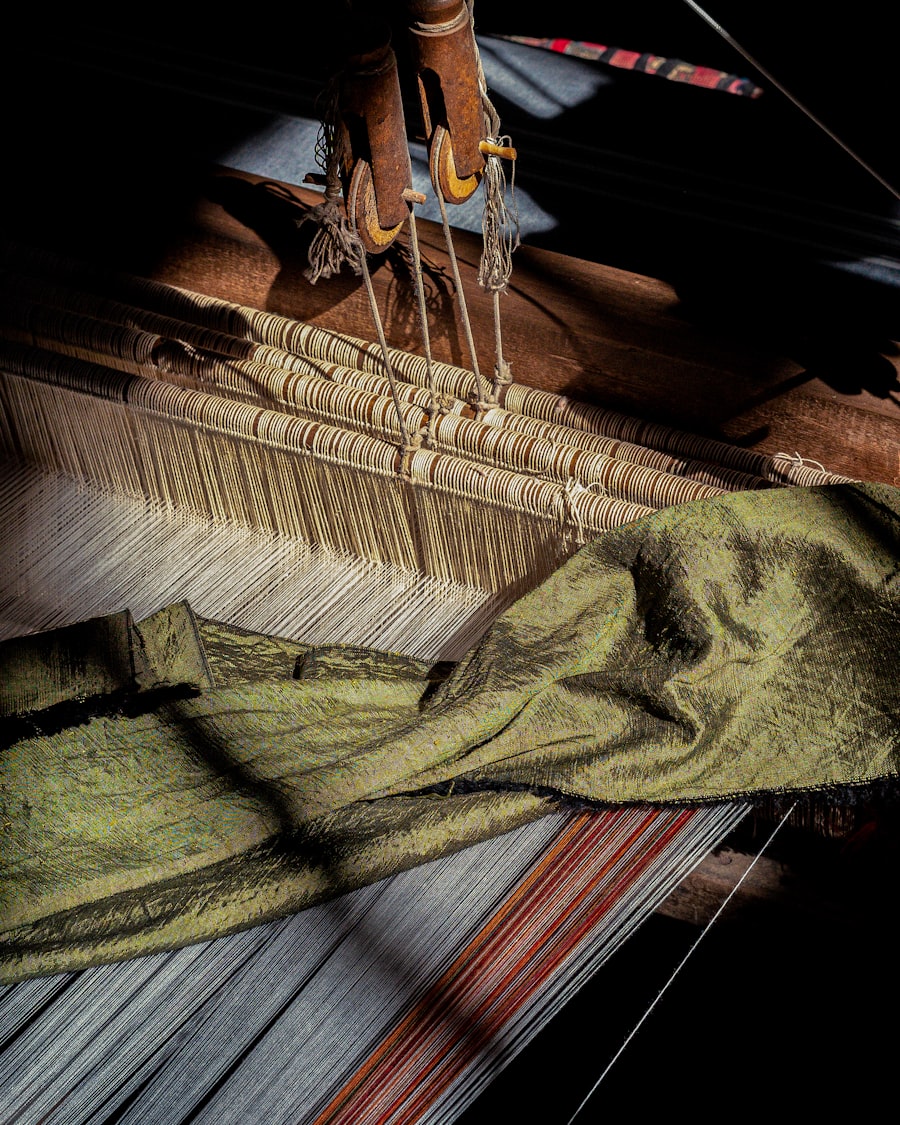
Weaving Chanderi · Maheshwar
The Deshmukh loom
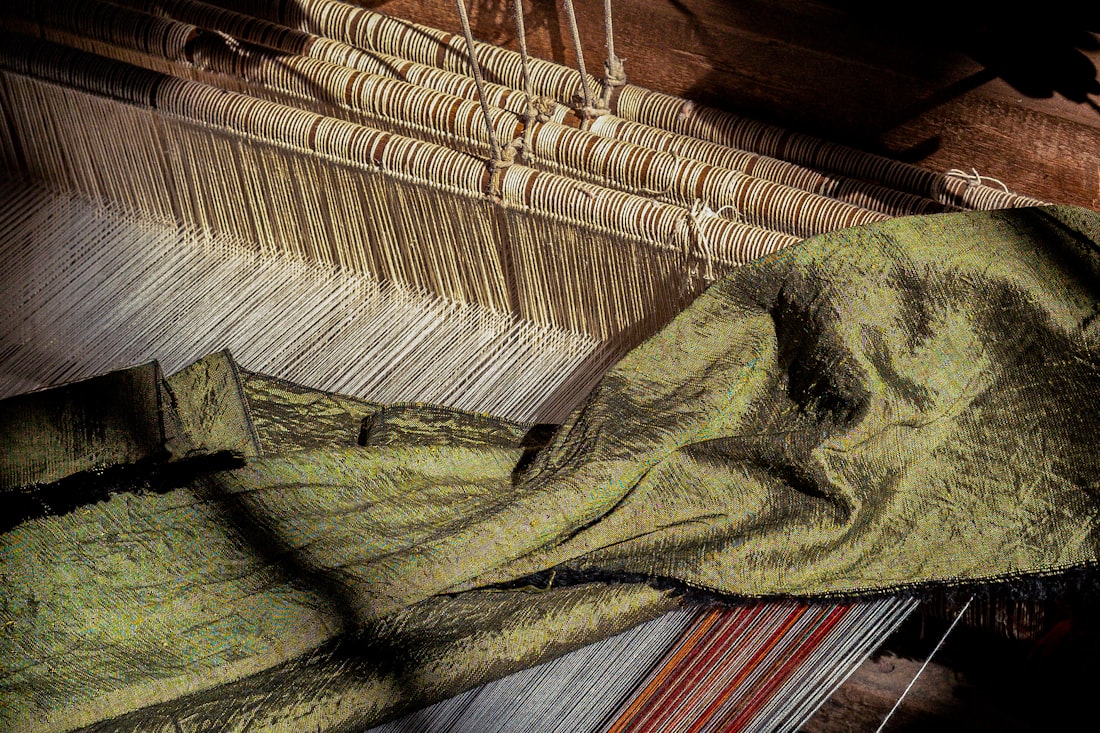
A pit loom that has been in one family since 1958. We buy the whole warp, which is why a run stops at forty.
Three generations
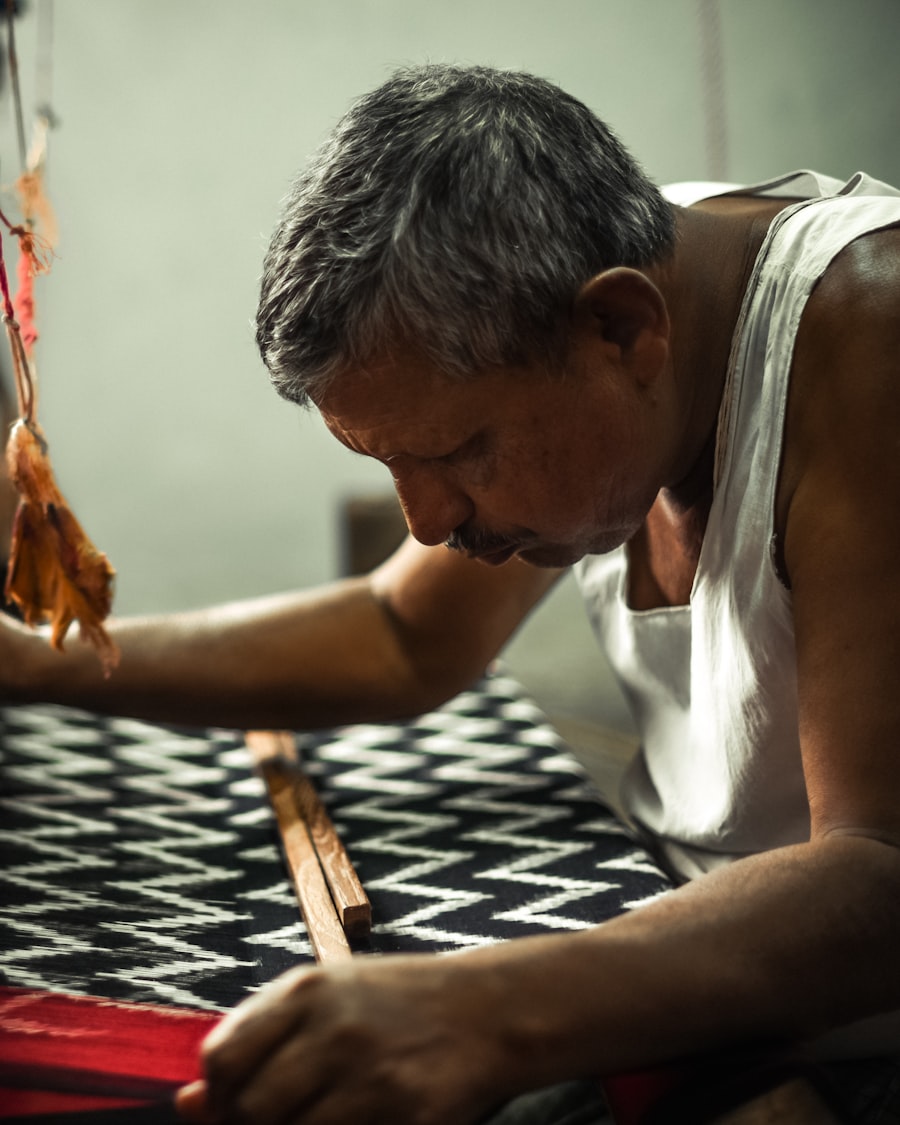
Weaving Kota doria · Kota
Ramesh and Sons
Kota doria in its undyed state. The grid of the weave is the only pattern we allow ourselves on it.
With us since 2023
From warp to wardrobe
Nine weeks, step by step
Weeks 1–2
The warp is tied
We commit to a length of cloth and pay for it up front. This is the part that ties up the money and the reason a run is forty and not four hundred.
Weeks 3–5
The cloth is woven
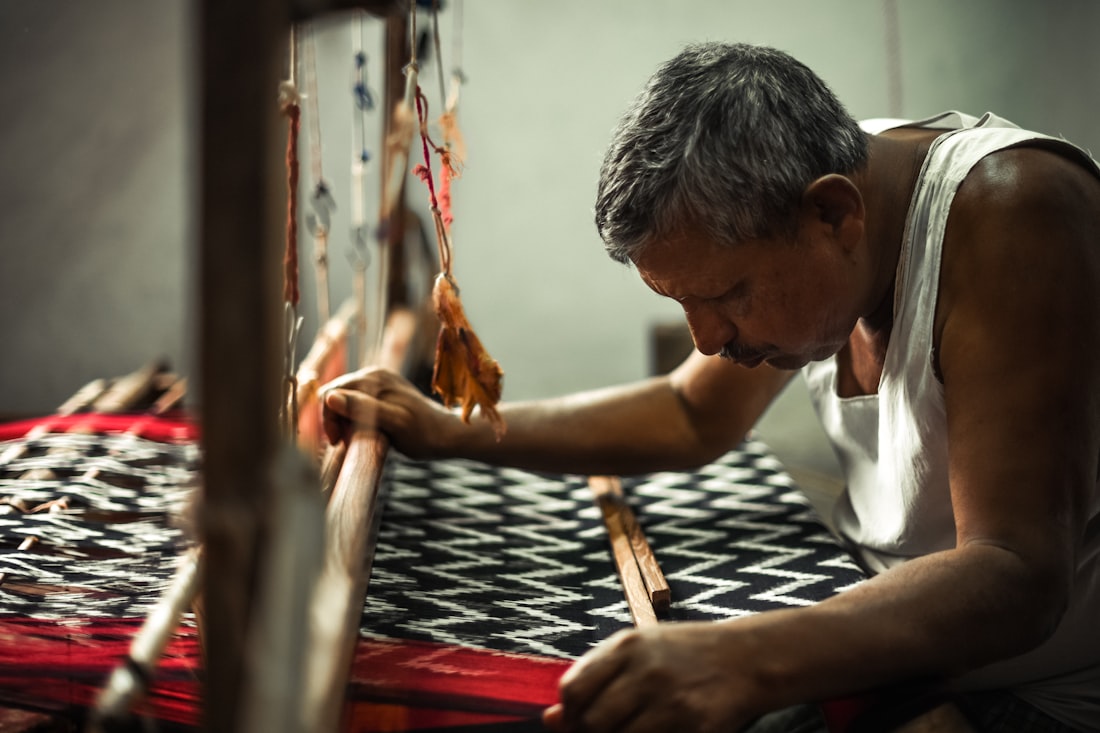
On a pit loom, by hand, at roughly a metre a day. Slubs and small irregularities happen here and are not faults.
Week 6
It reaches Secunderabad
Washed, checked metre by metre, and anything that will not cut cleanly is set aside for the archive sale we have still never held.
Weeks 7–8
Cutting
Four people, one table. Every piece is cut from a single layer, which is slower and wastes less.
Week 9
Finishing
Hems, buttons, press, photograph. Kavitha decides when a piece is ready and we post it the same day.
What is on the loom now
Aangan is forty pieces, and eleven are already spoken for.
The next warp goes on in September. If you would like to know when, we will write once and not again.