
Care · 24 March 2026· 2 min
Washing well
Three washes at the dry cleaner, then cold water and your own hands for the rest of its life.
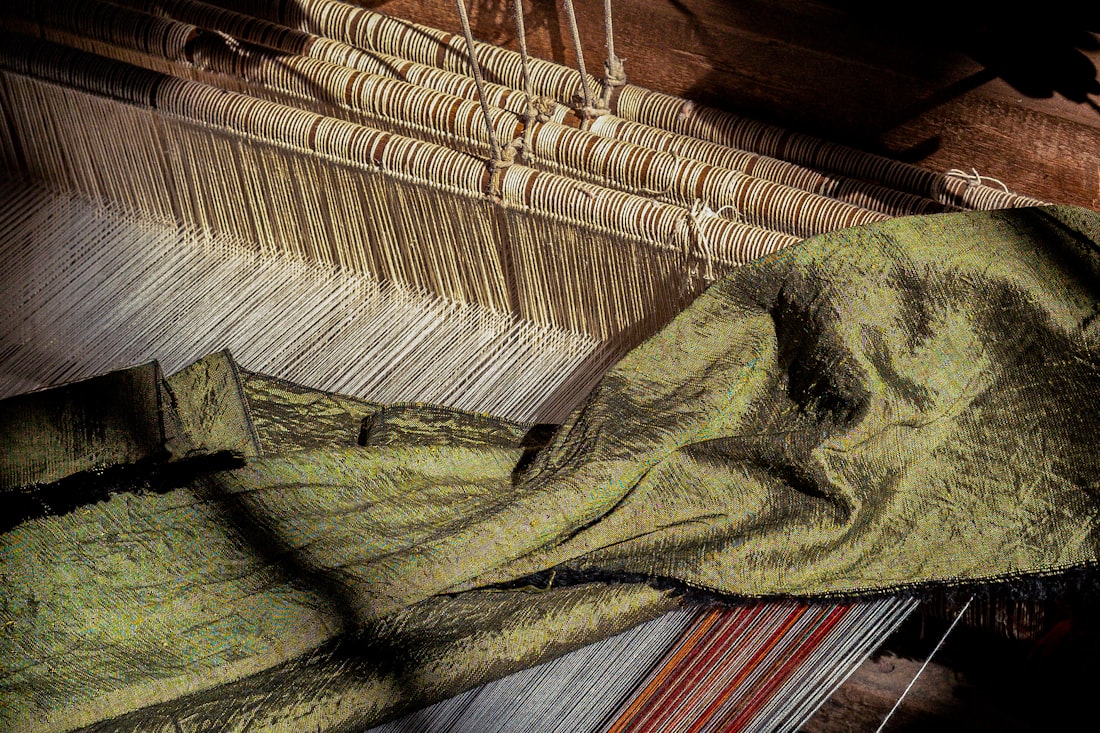
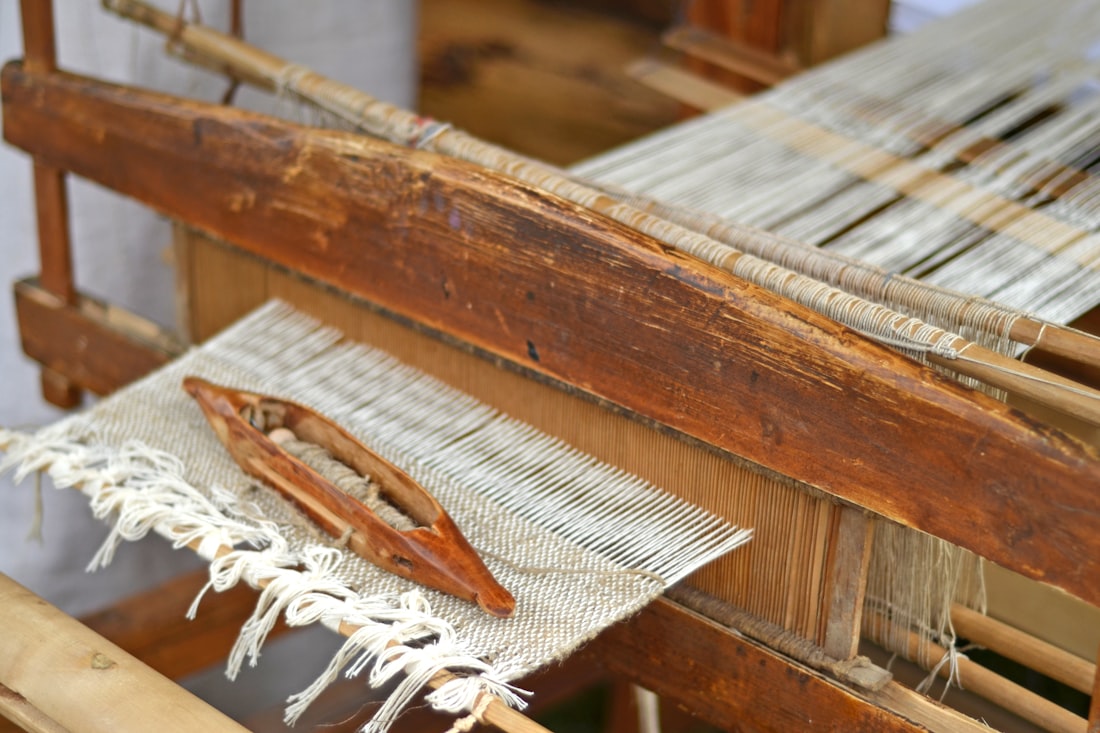
A warp is the set of long threads a loom holds under tension. Everything else — the weft, the pattern, the width of the cloth — happens across it. Before a single metre is woven, someone has to decide how long that warp will be, and pay for all of it.
The number is not a choice
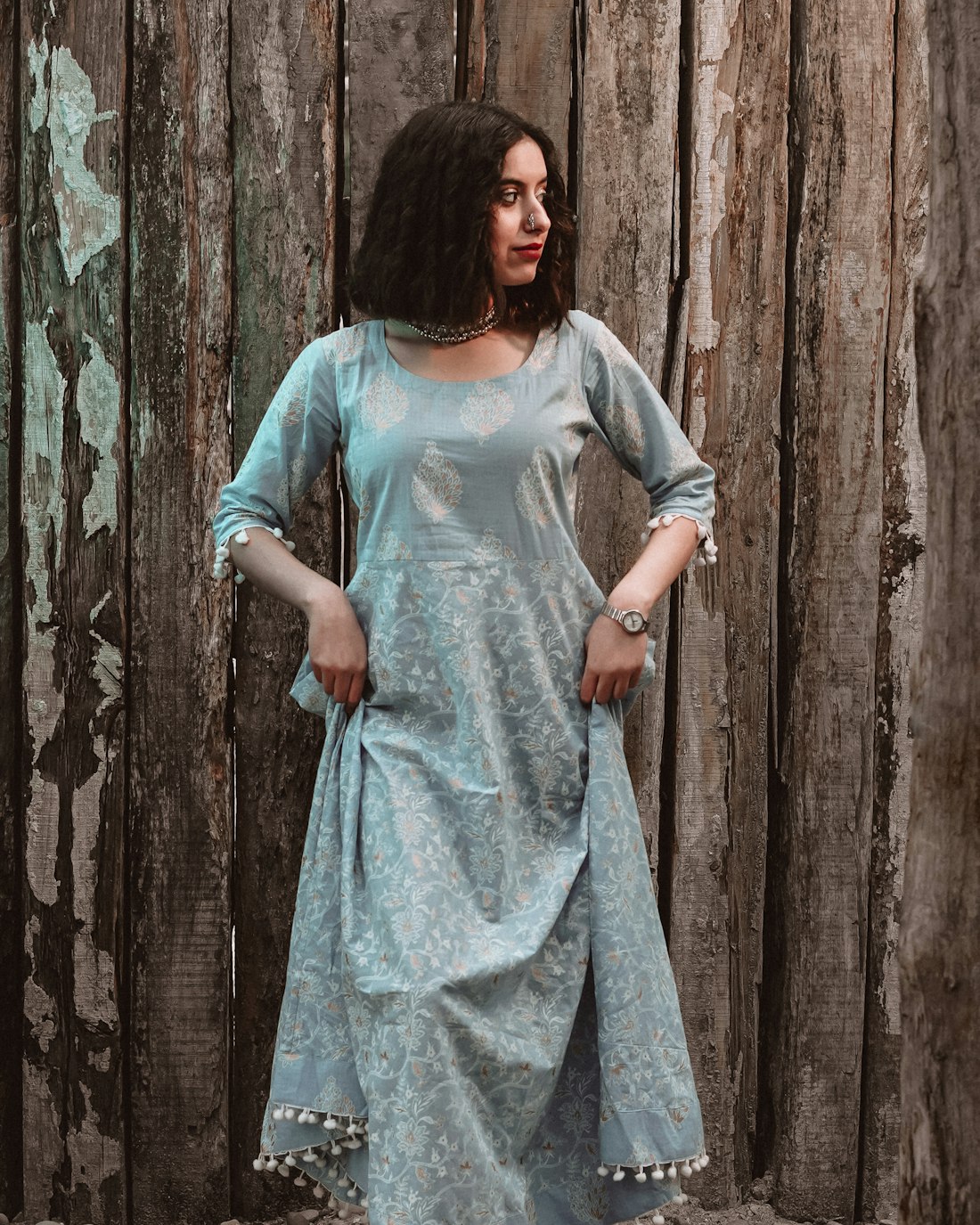
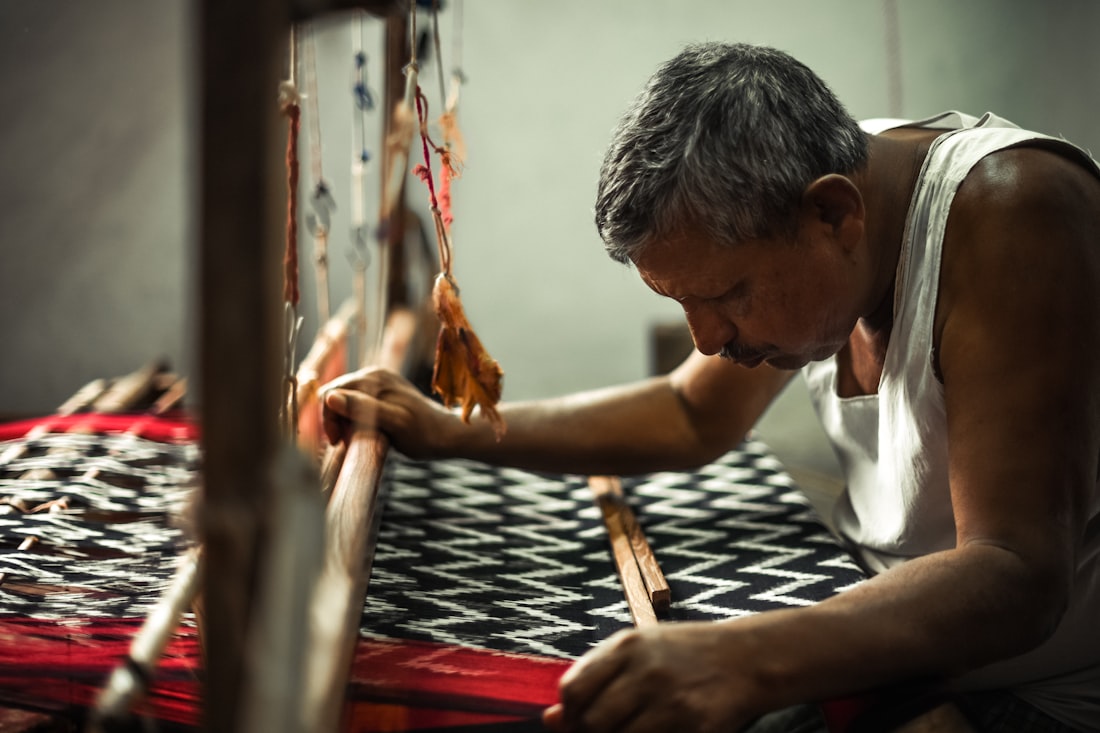
A pit loom in Maheshwar holds a warp of roughly ninety metres before the tension becomes unmanageable and the whole thing has to be re-tied. Ninety metres of Chanderi at our cutting yield is about forty kurtas. That is the entire origin of the number, and there is nothing romantic about it.
We did not choose forty. The loom chose it, and we decided not to argue.
What we did choose is not to re-tie the warp when the forty are gone. A second run of the same cloth would look almost the same and would not be the same: different tension, a slightly different hand, and — this is the part that matters — a customer who bought the first forty on the understanding that there would only be forty.
What it costs us
A great deal. Buying a whole warp means paying for ninety metres in March and seeing the money again in June. It means we cannot chase a piece that sells out in a week, which is exactly the piece a normal business would chase hardest. It means our best sellers are also our shortest.
It also means the loom gets paid up front for a known quantity rather than living order to order, which is the single most useful thing a small brand can do for a weaver.
What it gives you
A stock number on the product page that is a fact rather than a nudge. When it says eleven left of forty made, forty were made and eleven are left. There is no timer, no "selling fast", and no second warp waiting quietly in the back.
And a piece that stays a bit unusual. Not rare in an auction sense — forty people have it — but not something you will see on the same street twice in a month.

Written in the studio
Secunderabad · 24 March 2026